Why Children Struggle With Focus (And How Movement Can Help)
Between the ages of 7 and 12, many parents begin to notice changes in their child’s ability to concentrate.
Homework becomes a battle.
Teachers mention distraction.
Instructions need repeating
.Frustration appears more easily.
For many families, the first thought is that something is “wrong”.
In reality, for a large number of children, the problem is not motivation, intelligence, or behaviour.
It is simply that they are not moving enough.
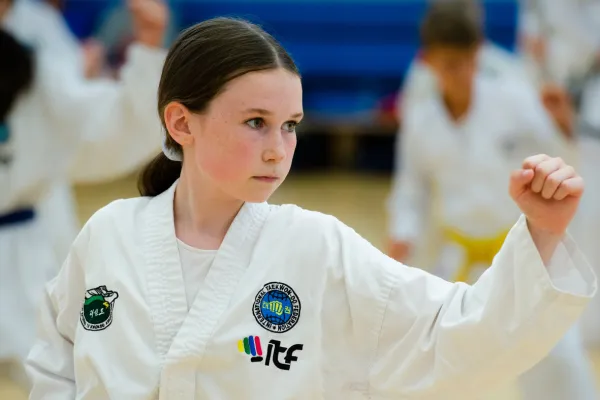
At Elite Taekwon-Do Academy, working with families in Balbriggan and Lusk, we see every week how the right kind of structured movement can dramatically improve a child’s focus, listening skills, and self-control.
Why Focus Is So Difficult for Children Today
Children today sit more than any generation before them.
Long school days, homework, car journeys, and screens mean many children spend most of their day sitting still.
The brain, however, is designed to develop through movement.
When children do not move enough, the areas of the brain responsible for:
Attention
Impulse control
Emotional regulation
Memory
do not develop as strongly as they could.
This often shows up as:
Restlessness in class
Difficulty finishing tasks
Poor listening
Frustration with small challenges
These are not discipline problems.
They are often movement problems.
If you haven’t already, it’s helpful to first understand why regular movement is so critical for children aged 7 to 12.
The Link Between Movement and the Brain
Movement plays a direct role in how well children can concentrate.
Regular physical activity:
Increases blood flow to the brain
Strengthens neural connections
Improves impulse control
Supports emotional regulation
In simple terms, movement helps the brain learn how to focus.
This is why children who move regularly often:
Sit more calmly
Follow instructions better
Cope with frustration more easily
Learn more effectively
Signs Your Child May Need More Movement
Many parents recognise these signs:
Easily distracted at school
Struggles to sit still
Finds it hard to finish homework
Gets frustrated quickly
Tired but restless in the evenings
These are not signs of laziness.
They are often signs that the nervous system needs more physical input.
Why Free Play Alone Is Not Always Enough
Free play is important, but many children today do not get enough consistent, challenging movement.
What children aged 7–12 benefit from most is structured movement:
Clear routines
Progressive challenges
Supportive instruction
Achievable goals
This is where martial arts makes a powerful difference.
How Martial Arts Builds Focus Step by Step
Taekwon-Do is designed to train both the body and the mind.
In every class, children learn to:
Listen carefully to instructions
Follow sequences and patterns
Control impulses
Stay focused under pressure
Persist when something feels difficult
Over time, this builds:
Stronger attention
Better self-control
Improved learning skills
Parents in Balbriggan and Lusk often notice changes within weeks — not only in class, but at school and at home.
What Parents Often Notice First
The most common changes parents report are:
Easier homework time
Better school reports
Calmer behaviour
Better sleep
These are life skills that stay with children far beyond the training hall.
This is why we place such importance on regular training, as explained in our article on
why children need more movement between ages 7 and 12.
A Final Word for Parents
If your child struggles with focus, restlessness, or frustration, it may not be a learning problem.
It may simply be that they need more movement.
And the right kind of movement can change everything.
👉 Book a free trial class with Elite Taekwon-Do Academy in Balbriggan or Lusk and see the difference for yourself.